


 (1).png)
A diesel engine on a UAE construction site lives a harder life than almost any other working environment. Extreme heat, pervasive dust, high daily utilisation, and sometimes limited access to qualified maintenance — all conspire to accelerate wear and shorten engine life if maintenance is not taken seriously.
This practical checklist is designed for site supervisors, plant managers, and operators who want to protect their diesel engine investment with disciplined, consistent maintenance. Use it as a working document on site — not just a reference.
Daily Checks — Before Start-Up
These checks should be completed every day before the engine is started:
- Engine oil level — check with the dipstick; top up with the correct grade if below the minimum. Note: if oil consumption has increased noticeably, investigate immediately.
- Coolant level — check the header tank or radiator cap when the engine is cold. Low coolant is a leading cause of overheating in UAE engines.
- Fuel level — ensure adequate fuel for the planned working period; running out of fuel can introduce air into the injection system.
- Visual inspection — walk around the engine and look for oil leaks, coolant leaks, loose belts, or damaged hoses.
- Air filter indicator — many engines have a restriction indicator on the air intake; a red indicator means the filter needs cleaning or replacement. In the dusty conditions of the UAE, this can happen within days.
- Battery condition — check terminals for corrosion and ensure connections are tight.
Daily Checks — During and After Operation
- Temperature gauge — monitor regularly during operation; any trending toward the high end requires investigation.
- Oil pressure warning light — should illuminate briefly on startup, then extinguish; if it stays on or illuminates during operation, stop immediately.
- Unusual smoke — any black, blue, or persistent white smoke warrants investigation.
- Unusual noise — new sounds from an engine you know well are a warning; investigate before the next shift.
- After shutdown, check for new leaks — engine and coolant leaks are easiest to spot on a cold engine after it has been running.
Weekly Checks
- Air filter cleaning — in UAE construction environments, air filters need inspection and cleaning weekly; replacement frequency depends on dust levels.
- Coolant condition — UAE summer heat accelerates coolant degradation; check colour and test pH if possible.
- Belt condition and tension — fan belts, alternator belts, and any accessory drive belts; look for cracking, glazing, or fraying.
- Radiator fins — clean any dust or debris from the radiator core using compressed air (blow from engine side outward).
- Fuel water separator — drain accumulated water from the separator bowl.
- Fuel tank — check for water contamination if condensation is suspected; drain sump if present.
Monthly Checks
- Oil change — standard interval is 250 hours or monthly, whichever comes first; in UAE heat and dusty conditions, consider more frequent changes.
- Oil filter replacement — always replace with the oil change.
- Fuel filter replacement — primary and secondary; blocked fuel filters cause hard starting and power loss.
- Injector condition — visual inspection for external leaks; smoke or power loss indicates injection system service is needed.
- Mounting bolts — check and torque engine mounting bolts; vibration loosens fasteners over time.
- Exhaust system — check manifold and silencer for cracks, loose joints, and excessive soot deposits.
500-Hour and Major Service Points
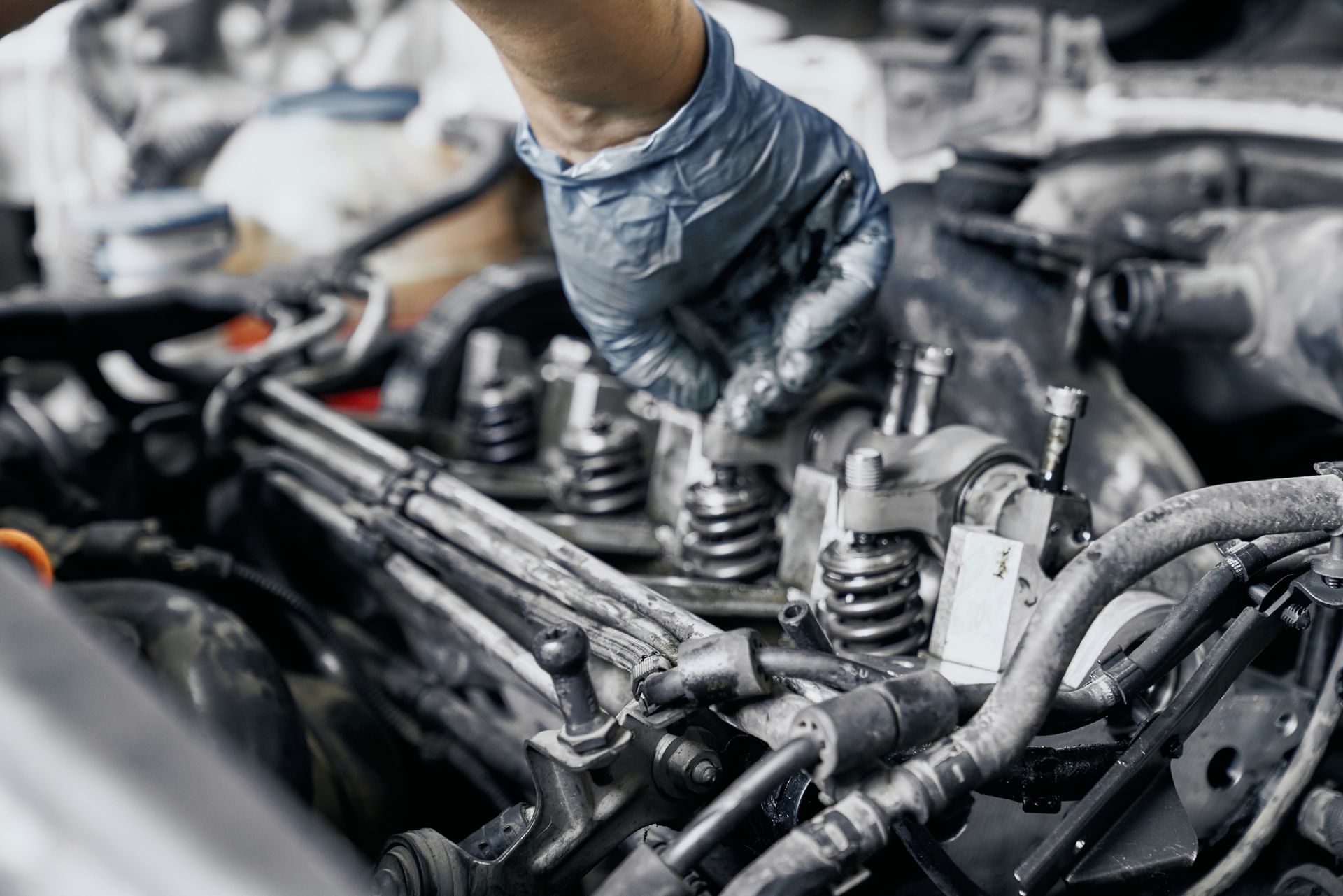
- Valve clearance check and adjustment — out-of-spec valve clearances cause poor combustion, noise, and accelerated wear
- Turbocharger inspection — clean compressor and turbine wheels, check for shaft play and seal condition
- Cooling system flush and inhibitor refresh
- Full injection system service — pump calibration and injector reconditioning
- Compression test — establishes baseline engine condition and identifies cylinders losing compression
Keeping Records
The single most impactful maintenance habit is keeping accurate records. A service log that records every oil change, filter replacement, and inspection creates a valuable history that helps identify developing problems, supports warranty claims, and significantly improves resale value.
.png)
.png)


.png)