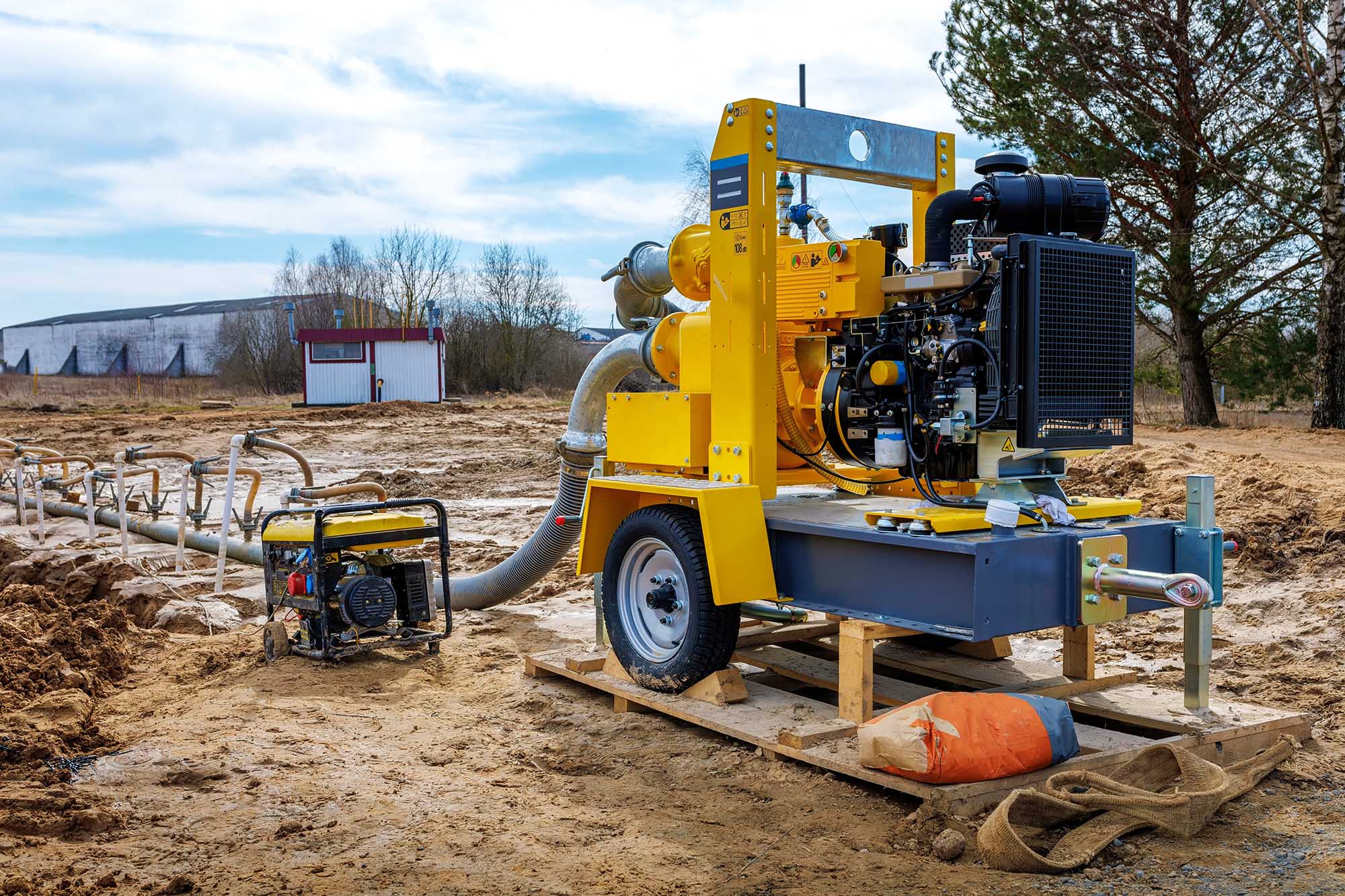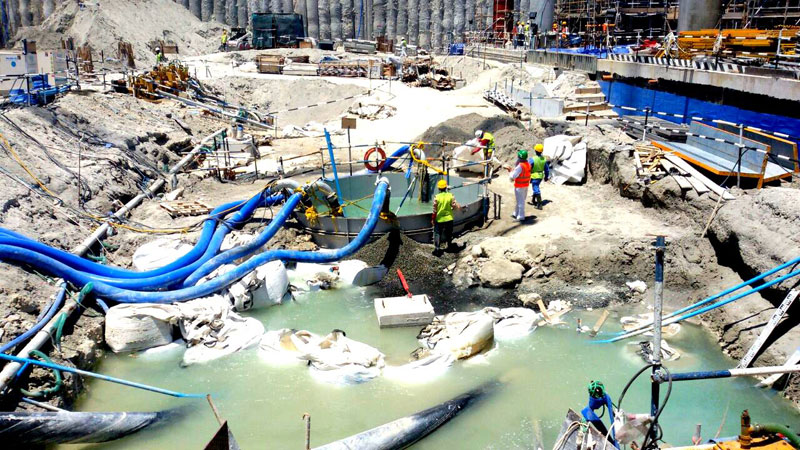



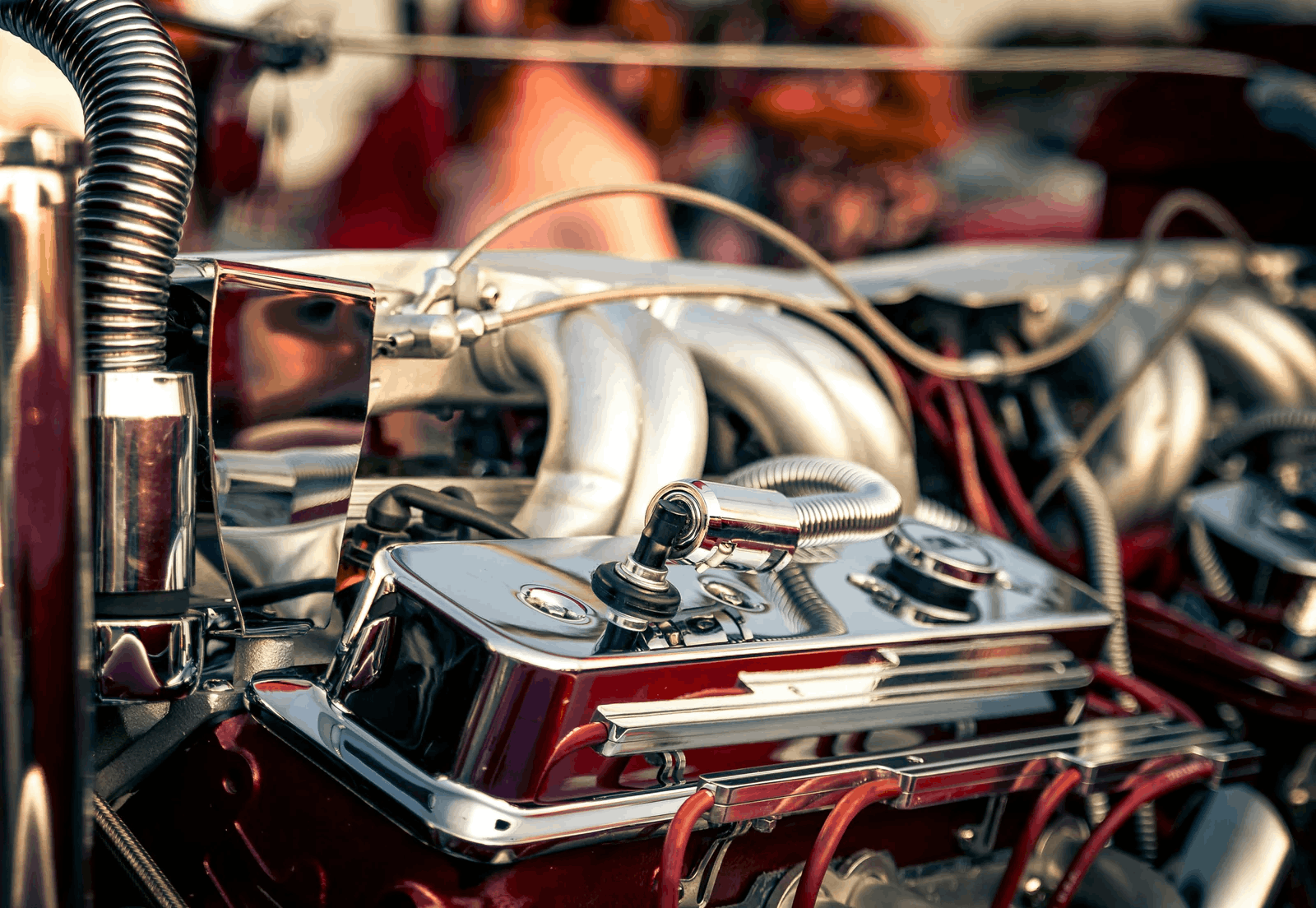
A well-maintained diesel engine in a temperate climate can run for 20,000, 30,000, or even 50,000 hours with proper care. In the UAE, achieving that kind of longevity requires more than just following the manufacturer's service schedule — it requires adapting your maintenance practices to the specific stresses the UAE environment places on your engine.
The good news is that none of this is complicated. It requires discipline, not sophistication. Here is what experienced UAE plant operators do differently to get more life from their diesel engines.
1. Take Air Filtration Seriously — Very Seriously
In UAE construction and industrial environments, the air filter is your engine's most critical protection. UAE dust particles are extremely fine — often less than 10 microns — and highly abrasive to cylinder bores, piston rings, and turbocharger internals. Dust that bypasses a compromised air filter causes wear that cannot be reversed.
- Inspect air filters daily in dusty conditions — don't wait for the restriction indicator
- Clean by gently tapping or blowing from the inside out with low-pressure air — never wash with water or blow from outside in
- Replace primary filter elements regularly; never try to extend filter life beyond the point where physical integrity is compromised
- Check air intake hose and connections regularly — cracks and loose clamps are a common hidden path for unfiltered air
2. Choose Oil Wisely and Change It More Frequently
UAE summer heat accelerates oil oxidation and thermal degradation. Oil that would last 250 hours in a 20°C environment may deteriorate significantly faster at 50°C ambient. Recommendations:
- Use the manufacturer-recommended oil grade for high-temperature operation — typically a high-quality 15W-40 or 20W-50 mineral oil, or an equivalent synthetic for extreme duty
- Consider reducing oil change intervals during the summer months or in continuously high-temperature applications
- Never mix oil brands or grades — the additive packages in different oils can interact unfavourably
- Use only genuine or OEM-equivalent oil filters — cheap filters may not maintain adequate filtration or bypass pressure
3. Maintain Your Cooling System Meticulously
The cooling system is the first line of defence against UAE heat stress. A cooling system running at peak efficiency can handle UAE ambient temperatures; one that's even partially compromised cannot.
- Keep coolant at the correct concentration — UAE heat means high evaporation, and topping up with water dilutes the anti-corrosion inhibitor package
- Flush and replace coolant per manufacturer recommendations — degraded coolant becomes acidic and attacks metal components from inside
- Keep radiator fins clean — a combination of dust, insects, and debris dramatically reduces heat transfer. Clean weekly in dusty environments.
- Check belt tension and condition regularly — a slipping fan belt reduces cooling airflow
4. Don't Idle Excessively
Extended idling is harder on diesel engines than most operators realise. At idle, combustion temperatures are low — insufficient to fully combust fuel or to fully heat the engine. Extended idling causes:
- Carbon buildup on injector tips and exhaust valves
- Oil dilution from unburned fuel washing past piston rings
- Accelerated injector and cylinder wear
If the equipment will be stationary for more than a few minutes, shut down the engine. The fuel saved and the wear prevented, more than justify the minor inconvenience of restarting.
5. Operate at Appropriate Load
Both chronic underloading and overloading damage diesel engines. Running a diesel engine continuously at less than 40% of rated load causes wet stacking — incomplete combustion that deposits raw fuel and soot in the exhaust system and engine internals. Overloading causes thermal stress and accelerated wear. Match your engine to your application so it runs in the 60–80% load range under normal operating conditions.
6. Use Quality Fuel
UAE diesel fuel quality is generally good at licensed service stations and major bulk suppliers. Avoid fuel from unknown sources, and if bulk fuel is stored on site, manage it properly:
- Fuel tanks should be inspected for water contamination regularly — warm UAE temperatures cause condensation in partially filled tanks
- Use primary and secondary fuel filters and drain water separators regularly
- Fuel stored for extended periods degrades — don't use stored fuel more than 6 months old
7. Build a Relationship with Your Service Provider
The most cost-effective approach to engine longevity is a structured relationship with a qualified service provider who knows your equipment, tracks its service history, and can spot developing issues before they become failures. Rover Industry's service agreements do exactly this — scheduled maintenance, fast breakdown response, and a service record that protects your asset value.
.png)
.png)

 (1).png)

.png)