


Dewatering on UAE construction sites is not just an engineering challenge — it's a regulatory one. The UAE has well-developed environmental regulations governing where, how, and under what conditions construction site water can be discharged. Getting this wrong can result in fines, stop-work orders, and reputational damage that affects future contract opportunities.
This guide summarises the key regulatory considerations for contractors undertaking dewatering operations across the UAE.
Why UAE Dewatering Discharge is Regulated
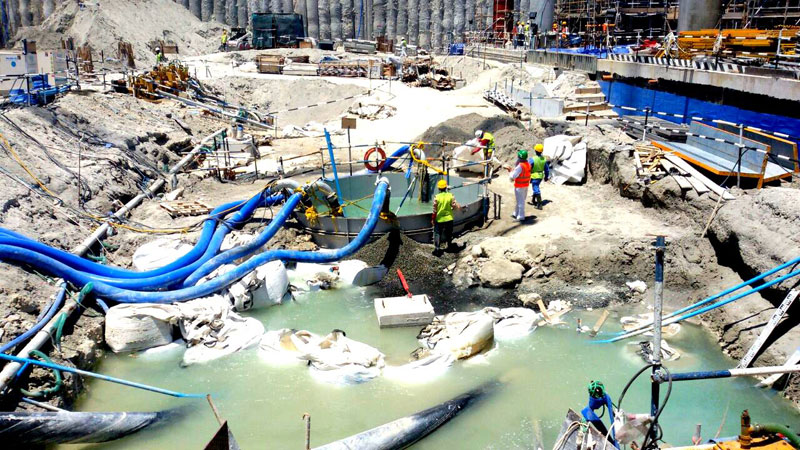
Construction dewatering water is not clean water. It typically contains suspended solids — fine sand and silt — as well as dissolved minerals, and in coastal and urban areas, may contain hydrocarbons, heavy metals, or other contaminants from previous land uses. Discharging this water without treatment into storm drains, wadis, the sea, or neighbouring land can cause environmental harm and infrastructure damage.
The UAE's environmental authorities take this seriously, and enforcement has become more consistent as environmental awareness has grown across the construction sector.
Key Regulatory Authorities
- Dubai — Dubai Municipality (DM) and the Dubai Environment and Protected Areas Authority (EPAA) oversee construction site environmental compliance, including dewatering discharge
- Abu Dhabi — Environment Agency Abu Dhabi (EAD) and the Abu Dhabi Municipality set standards for construction site water discharge in the emirate
- Sharjah — Sharjah Environment and Protected Areas Authority (EPAA) handles environmental compliance in Sharjah
- Free Zones — JAFZA, KIZAD, TECOM, and other free zones have their own environmental management requirements, typically aligned with or exceeding emirate-level standards
General Discharge Requirements
While specific requirements vary by emirate and site location, general principles apply across the UAE:
- Suspended solids limits — discharged water must typically meet suspended solids limits before entering any drain, wadi, or water body. Settling tanks or turbidity control measures are usually required.
- pH requirements — discharged water must be within specified pH ranges; highly acidic or alkaline water is not permitted
- Hydrocarbon limits — water containing oil or fuel contamination requires additional treatment before discharge
- No discharge to the sea — direct discharge of unfiltered dewatering water to the Arabian Gulf or UAE coastal waters is generally prohibited and subject to significant penalties
Practical Compliance Measures
Most UAE construction sites manage dewatering compliance through a combination of:
- Settling tanks — gravity settling removes the majority of suspended solids before discharge
- Filter bags — installed on discharge hose ends to capture fine particles
- Discharge to approved municipal sewer — requires permission from the relevant authority, but eliminates the discharge quality question
- Tanker removal — for highly contaminated water or sensitive locations, water is removed by tanker to an approved disposal facility
Getting Your Permit Right
Before beginning dewatering operations, determine the required approvals for your specific site. Engage your environmental consultant early — the approval process can take time, and starting dewatering without the necessary permits creates significant liability. Your main contractor's environmental management plan should address dewatering; if it doesn't, raise it before work begins.
How Rover Industry Supports Compliance
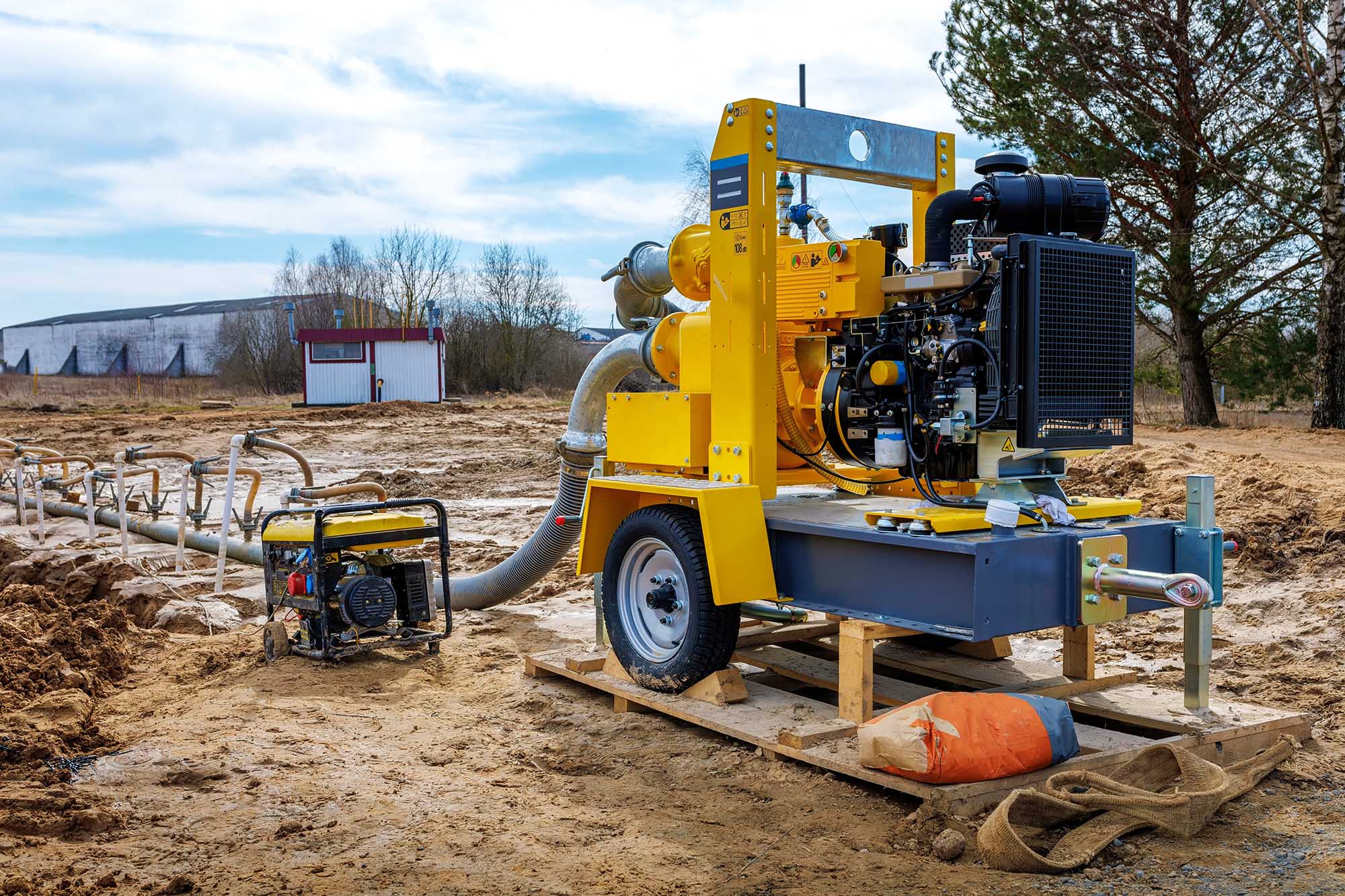
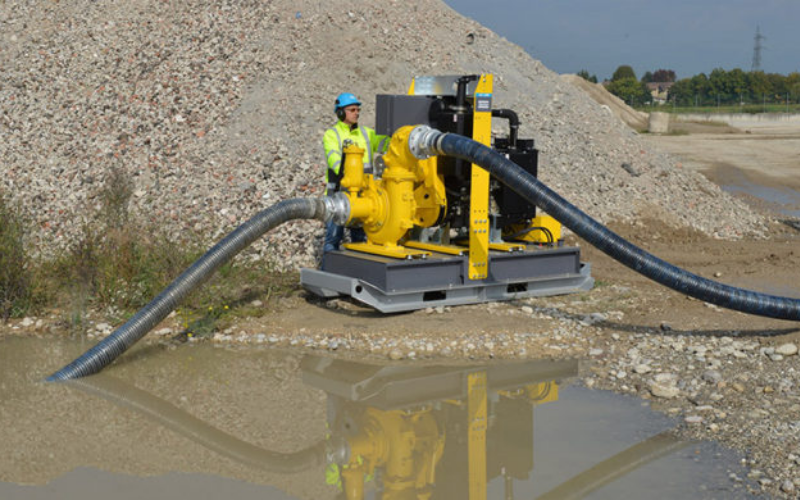
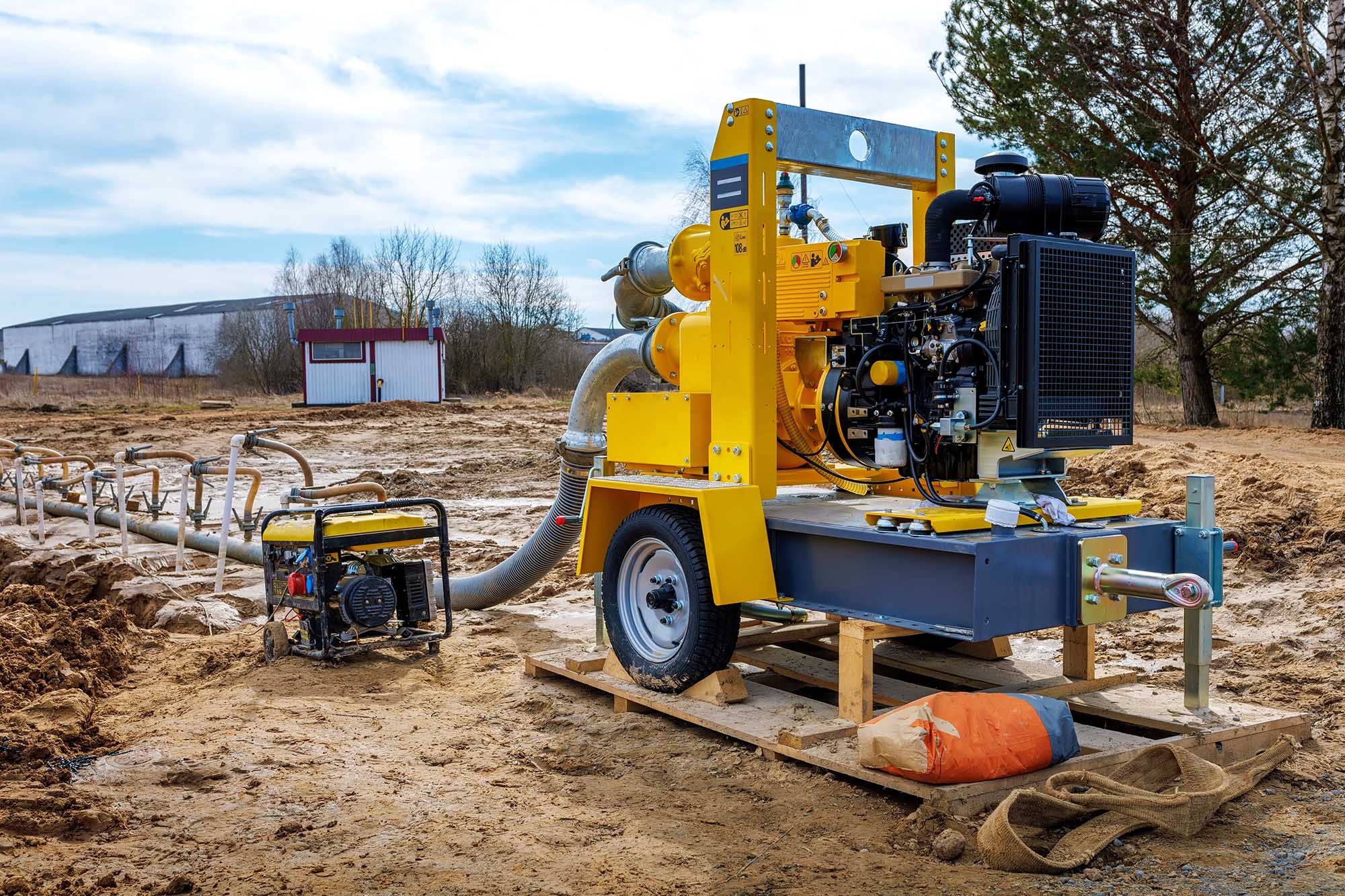
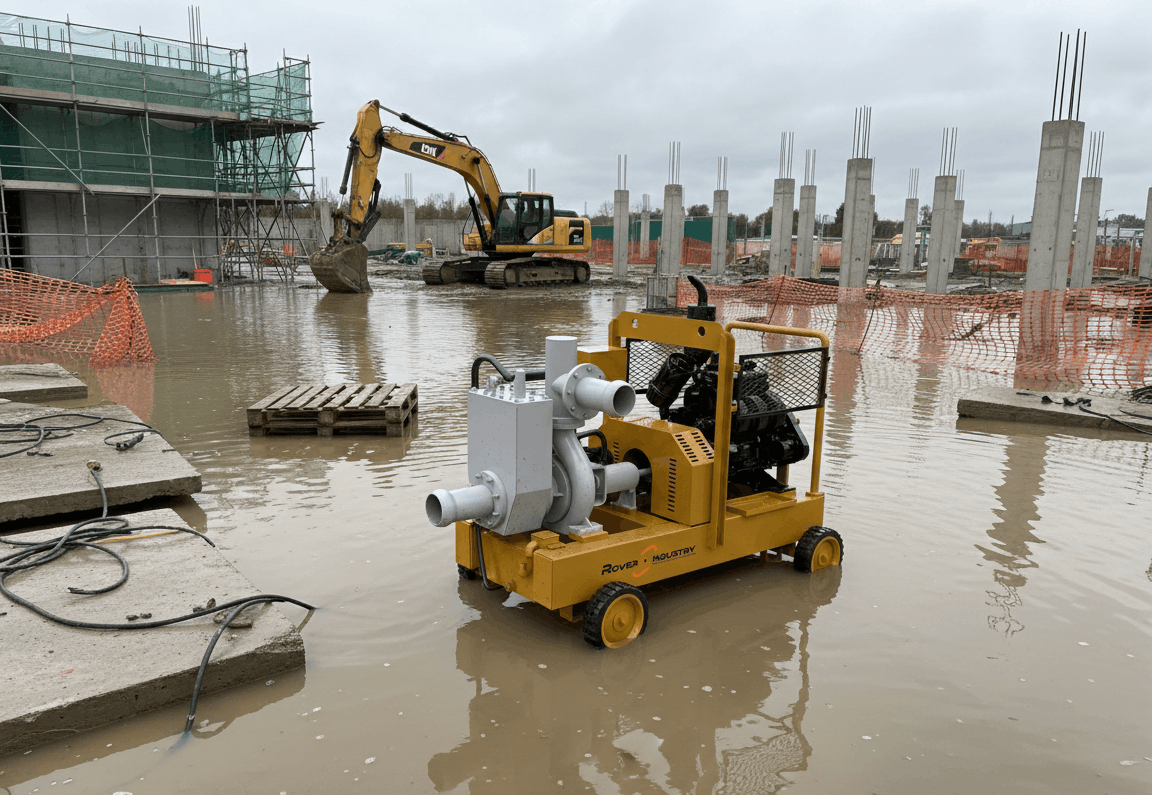
Rover Industry's dewatering equipment is supplied with standard connections compatible with the UAE-standard settling tank and filter systems. We can advise on pump configurations that minimise turbulence and sediment disturbance in sumps, reducing the suspended solids load on your settling system and making compliance more straightforward.

.png)
.png)

 (1).png)


.png)